
-
Table of Contents
The Ultimate Guide to Implementing and Utilizing RPA Programming
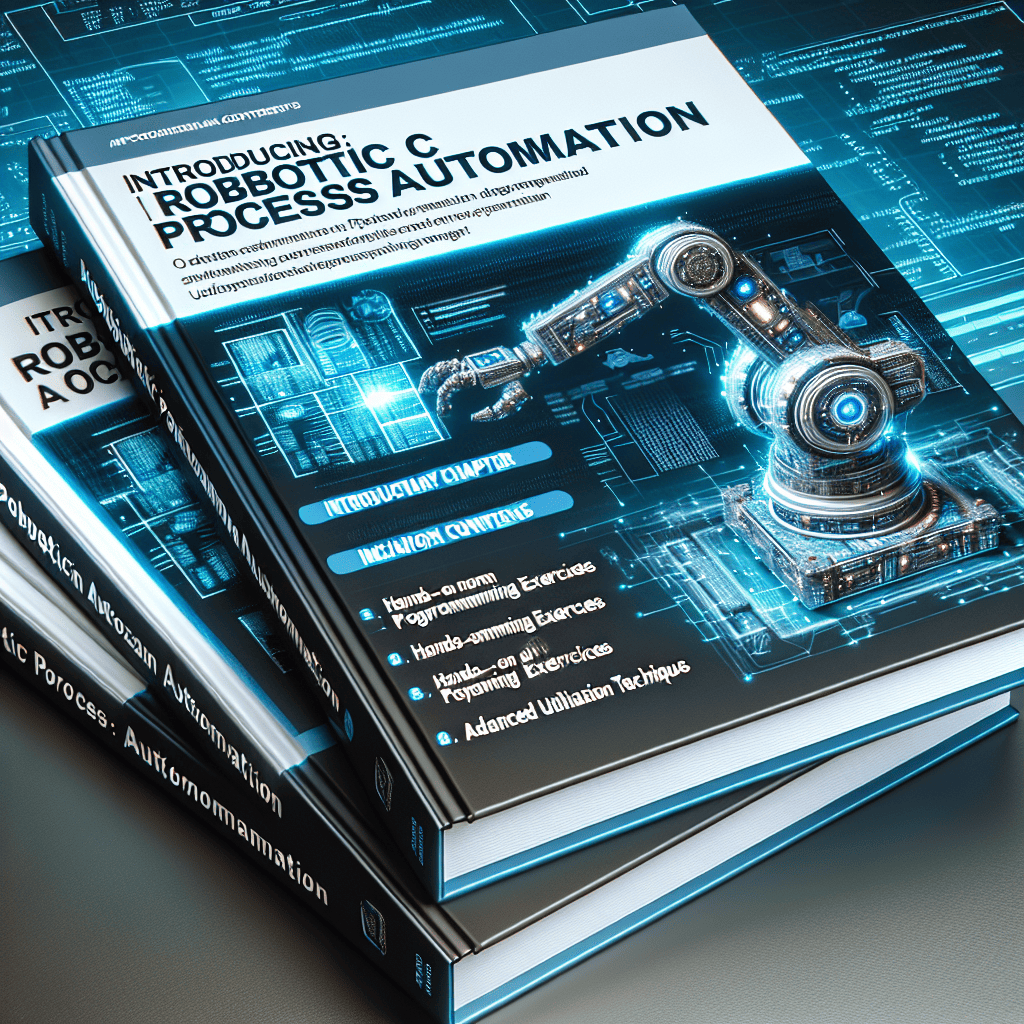
Robotic Process Automation (RPA) is a transformative technology that is reshaping the business landscape. By automating repetitive tasks, RPA allows businesses to increase efficiency, reduce errors, and free up employees for more strategic work. This guide will provide a comprehensive overview of how to implement and utilize RPA programming effectively.
Understanding RPA Programming
RPA programming involves creating software robots or ‘bots’ that can mimic human actions. These bots can interact with digital systems and perform tasks such as data entry, invoice processing, and customer service, among others. According to Gartner, the RPA software market grew 63.1% in 2018, making it the fastest-growing segment of the global enterprise software market.
Implementing RPA Programming
Implementing RPA programming involves several steps:
- Identifying tasks for automation: The first step is to identify repetitive, rule-based tasks that can be automated.
- Choosing the right RPA tool: There are several RPA tools available in the market, such as UiPath, Blue Prism, and Automation Anywhere. The choice of tool depends on the specific needs of the business.
- Developing and testing the bots: Once the tasks and tools are identified, the next step is to develop and test the bots.
- Deploying and monitoring the bots: After testing, the bots are deployed and continuously monitored for performance.
Utilizing RPA Programming
RPA programming can be utilized in various sectors. For instance, in the banking sector, RPA can automate tasks such as loan processing and fraud detection. In healthcare, it can automate patient scheduling and billing. A case study by Deloitte showed that an international bank was able to reduce its transaction processing time by 60% through RPA.
Conclusion
In conclusion, RPA programming offers immense potential for businesses to improve their efficiency and productivity. However, successful implementation requires careful planning and execution. With the right approach, businesses can harness the power of RPA to transform their operations and gain a competitive edge.